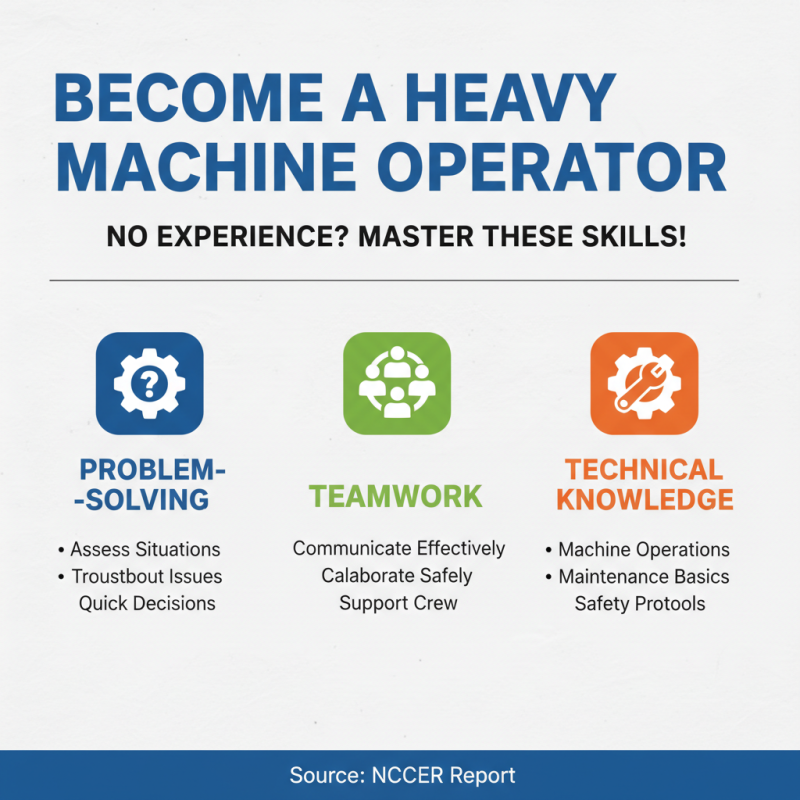
How to Become a Heavy Machine Operator with No Experience?
Becoming a Heavy Machine Operator is an exciting career path. However, many believe it requires prior experience or extensive formal training. Steve Johnson, a seasoned Heavy Machine Operator with over 15 years in the industry, states, "Passion and willingness to learn can outweigh experience." This insight offers hope to those wanting to enter the field.
There are various ways to get started without experience. Many companies provide on-the-job training for new operators. These positions often require a basic understanding of machinery. It's crucial for aspiring operators to seek out these opportunities. A proactive approach can lead to a fulfilling career.
While starting can be challenging, reflecting on your skills is key. Many operators come from diverse backgrounds. Emphasizing soft skills, such as communication and teamwork, can also enhance your chances. Embracing the learning curve is essential, as the path to becoming a Heavy Machine Operator may have its obstacles.

Understanding the Role and Responsibilities of Heavy Machine Operators
Heavy machine operators play a crucial role in construction and industrial projects. They handle equipment like excavators, bulldozers, and cranes. These machines are essential for moving materials and digging into the ground. Operators must pay close attention to safety. Accidents can happen if they are careless. The process requires skill and focus.
The responsibilities are varied. Operators must understand how each machine works. Regular maintenance checks are part of the job. They need to keep an eye on fluid levels and tire conditions. Reading blueprints is often required to follow project plans accurately. Teamwork is important; communication with coworkers ensures everyone is on the same page.
For those starting with no experience, learning can be challenging. Opportunities vary. Some may require training programs, while others offer on-the-job training. It's not easy to adapt, especially when facing complex machinery. Mistakes might occur. Reflection and practice are key to improving. Operators must be willing to learn and grow in this demanding field.
Heavy Machine Operator Skills Proficiency
This chart illustrates the proficiency levels of essential skills required for aspiring heavy machine operators. The skills assessed include equipment operation, safety standards, maintenance skills, problem solving, and communication skills, showing a strong foundation in critical areas necessary for success in the role.
Essential Skills Required for Heavy Machine Operators Without Experience
To become a heavy machine operator without prior experience, possessing essential skills is crucial. According to a recent report by the National Center for Construction Education and Research, employers prioritize skills like problem-solving, teamwork, and technical knowledge. These competencies enhance job performance and safety on job sites.
Hands-on experience is valuable, but it's not the only requirement. Understanding machine operations is key. Familiarize yourself with basic engineering principles. Take the time to learn about different types of machinery and their functions. This foundational knowledge will help you stand out.
Tips: Consider enrolling in local training programs or community colleges. They often offer valuable courses without requiring experience. Networking with experienced operators can also provide insights. Joining industry groups on social media or attending trade shows can open doors. Remember, every expert was once a beginner. Stay patient and keep learning.
Educational Pathways and Certifications for Aspiring Operators
Becoming a heavy machine operator without prior experience can be daunting. However, the right education and certifications can pave the way. Many vocational schools offer training programs tailored for heavy machinery. These programs usually last several months and mix classroom learning with hands-on practice. Students gain critical skills, from equipment operation to safety protocols.
Certifications are essential in this field. They demonstrate your competence to potential employers. Some organizations provide recognized certifications for heavy machinery. Obtaining these can set you apart in a competitive market. Additionally, internships or apprenticeships help build practical experience. Participating in these programs exposes you to real-world challenges. Facing difficulties while operating heavy machinery can be intimidating. Yet, overcoming these challenges fosters resilience.
Reflecting on your progress is vital. Many new operators struggle with confidence when starting. It’s normal to feel anxious. Regularly seeking feedback can enhance your skills. Take time to review what you've learned. Adjust your techniques as needed. Growth often comes from experiencing setbacks and learning from them. Consider each day as an opportunity for improvement.
How to Become a Heavy Machine Operator with No Experience? - Educational Pathways and Certifications for Aspiring Operators
| Pathway |
Description |
Duration |
Certification |
| Community College Programs |
Courses that teach the basics of heavy machinery operation. |
6-12 months |
Diploma/Certificate |
| Apprenticeships |
Hands-on training under experienced operators. |
2-4 years |
Journey-Level Certification |
| Online Courses |
Self-paced courses covering theory and safety. |
Varies |
Completion Certificate |
| Short-term Training Centers |
Intensive training for job readiness. |
1-3 months |
Certification of Completion |
| Safety Training |
Training focused on the safety protocols for machinery operation. |
1-2 days |
Safety Certification |
Average Salary and Job Outlook for Heavy Machine Operators in 2023
The job outlook for heavy machine operators in 2023 reflects strong demand. According to the Bureau of Labor Statistics, employment in this field is projected to grow by 7% over the next decade. This growth is driven by infrastructure projects and increased construction activity. Cities are investing in new roads, bridges, and buildings, fueling the need for skilled operators.
The average salary for heavy machine operators varies by region, but data suggests a median pay of approximately $50,000 per year. In some areas, experienced operators can earn over $70,000. Yet, even entry-level positions may offer competitive wages. Career advancement is possible with additional training and certifications, often leading to supervisory roles or specialized machine operation.
Despite positive prospects, there are challenges to consider. Many employers prefer candidates with experience. Without it, gaining entry can be tough. The industry also demands rigorous physical endurance and a focus on safety. New operators must be prepared for long hours and potential job site hazards. These factors require self-reflection on one’s readiness for this career path.

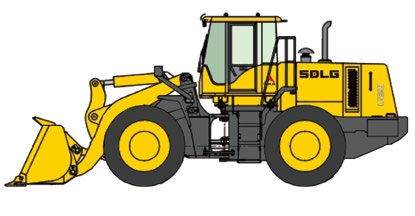 Wheel Loader
  Excavator
 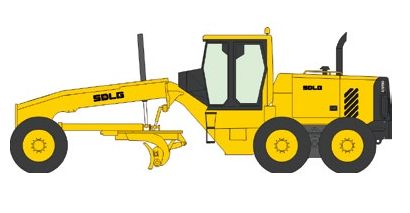 Motor Grader
 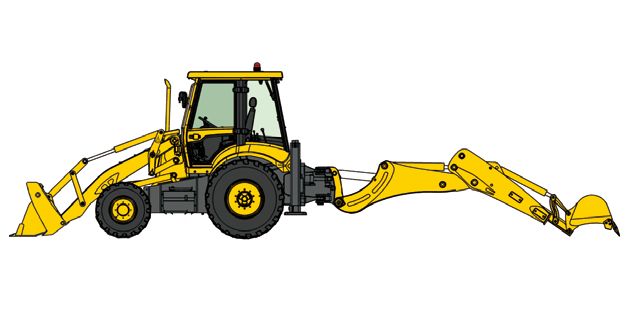 Backhoe Loader
  Road Roller
  Spare Parts